The Ultimate Guide to Picking the Right Mass Containers for Your Organization Requirements
Picking the appropriate bulk containers is crucial for any kind of service that relies upon reliable logistics. Various kinds of containers exist, each developed for particular materials and applications. Elements such as size, product compatibility, and regulative requirements play a substantial role in this decision-making process. Recognizing these components can lead to enhanced operational efficiency. Lots of companies forget crucial aspects that can enhance their total performance and sustainability. What are these factors to consider?
Recognizing Different Kinds of Bulk Containers
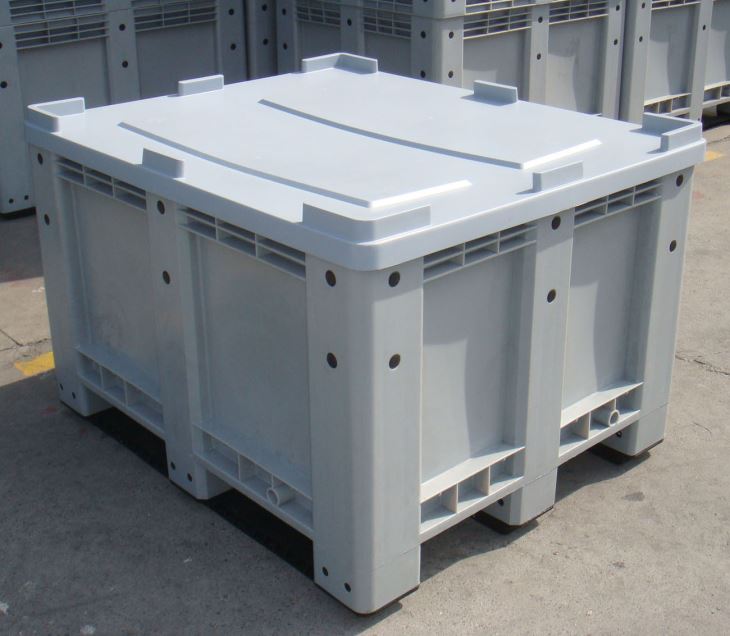
Bulk containers act as important tools for organizations looking for efficient storage and transport remedies. These containers can be found in various kinds, each created to meet particular functional needs. One typical type is the intermediate bulk container (IBC), which is excellent for fluid and granulated materials, providing a balance of ability and ability to move. One more prominent choice is the bulk bag, or FIBC, appropriate for dry, flowable products. These adaptable containers are light-weight and can be conveniently delivered and stored. For larger materials, rigid mass containers are usually utilized, providing longevity and stability for risk-free handling. In addition, there are specific containers customized for hazardous materials, making sure conformity with safety laws. Understanding the unique attributes of these mass container kinds allows services to make informed decisions that optimize logistics and minimize prices. By selecting the right container, business can boost their operational efficiency and simplify their supply chain processes.
Trick Product Considerations for Mass Containers
When picking bulk containers, it is vital to contemplate the materials utilized in their building. Variables such as durability, toughness, and chemical compatibility play an essential role in making sure the containers satisfy details operational needs. Furthermore, weight and transportability worries can impact both effectiveness and transportation logistics.
Product Sturdiness and Strength
Toughness and stamina are vital consider selecting materials for bulk containers, as they directly influence the container's capacity to endure numerous ecological problems and dealing with processes. Products such as high-density polyethylene (HDPE), polypropylene, and stainless-steel are generally preferred for their durable homes, offering resistance to temperature, abrasion, and influence changes. The choice of product also influences the total life-span of the container; more powerful products typically cause much less regular substitutes, causing cost financial savings over time. Furthermore, the weight of the product can impact shipping costs and simplicity of handling. Organizations have to consider their details operational environments and the capacity for deterioration to guarantee peak longevity and toughness in their bulk container selection.
Chemical Compatibility Factors
Understanding chemical compatibility is crucial for picking mass containers, as the products made use of need to withstand the details materials they will certainly hold. Various factors affect compatibility, consisting of the chemical nature of the components, temperature level, and period of storage. For example, corrosive chemicals may call for containers made from stainless-steel or specialized plastics that withstand degradation. Additionally, responsive compounds can produce warm or gases, necessitating vented or pressure-rated containers. The choice of container product, whether polyethylene, polycarbonate, or metal, ought to line up with the chemical properties of the saved substances to stop violations or leaks. Eventually, an extensive evaluation of these compatibility variables assures risk-free handling and storage, protecting both workers and the environment while keeping product stability.
Weight and Mobility Concerns
Picking bulk containers entails not only assessing chemical compatibility however likewise considering weight and mobility. Businesses must examine the ease of handling and transport to maximize efficiency. Lightweight products like high-density polyethylene (HDPE) or light weight aluminum can promote less complicated activity and reduce shipping costs. On the other hand, much heavier containers might offer boosted sturdiness but can prevent flexibility, particularly in atmospheres calling for regular moving. Furthermore, the design of the container must enable convenient lifting and stacking, making certain ergonomic safety for workers. Business must also consider the framework readily available for transport; for instance, containers compatible with forklifts or pallet jacks can streamline operations. Inevitably, the right equilibrium in between weight and portability directly affects operational effectiveness and cost performance.
Sizing Your Bulk Containers for Optimal Efficiency
When sizing mass containers, businesses need to meticulously analyze the measurements called for to accommodate their specific items. Additionally, weight ability is a vital element that influences efficiency and security throughout transportation and storage. Reliable sizing not just takes full advantage of room yet additionally optimizes operational process.
Figuring Out Container Capacities
Selecting the appropriate dimensions for bulk containers is essential for taking full advantage of effectiveness in storage space and transport. Services need to examine their particular needs, considering aspects such as offered room, the nature of the items being kept, and the techniques of transport made use of. Accurate dimensions assure that containers fit preferably in lorries and warehouses, reducing thrown away space and minimizing taking care of time. Criterion sizes can offer benefit, yet custom-made measurements might be needed for special requirements or to accommodate specific items. In addition, it is necessary to assess piling abilities and accessibility, as these factors affect general operational performance. Inevitably, the best dimensions lead to improved organization and streamlined logistics, benefiting the general performance of the business.
Weight Capacity Considerations
Recognizing weight capacity is vital for services intending to optimize their mass container performance. The weight ability of a container straight affects storage capacities, transport logistics, and overall functional costs. Choosing containers with the ideal weight limitations assures that businesses can safely save and transport their products without taking the chance of damages or conformity issues. Overloading containers can result in structural failures, while underutilizing capacity cause wasted resources. When selecting containers, it is vital for companies to examine their item weights and consider any regulatory demands. Additionally, factors such as the kind of product, intended usage, and environmental conditions must likewise influence weight ability choices. By examining these aspects, businesses can boost efficiency and assure a structured supply chain.
Governing Compliance and Safety And Security Criteria

Governing compliance and security criteria play a vital function in the option of bulk containers for companies. Organizations must guarantee that their containers fulfill different regulations established by local, nationwide, and global authorities. These standards typically concern material security, structural honesty, and appropriate labeling, which help stop accidents and guarantee the safe transportation of goods.
Furthermore, adherence to industry-specific standards, such as those from the Food and Medication Administration (FDA) or the Occupational Safety And Security and Health Management (OSHA), is important for firms handling dangerous materials or food products. Non-compliance can lead to penalties, lawful problems, or damages to a company's reputation.
Businesses should also consider the container's compatibility with the materials being saved or moved to prevent contamination or chain reaction (refurbished bulk containers). To sum up, recognizing and implementing governing compliance and safety criteria is important for the reliable and responsible use of mass containers
Sustainability Alternatives for Eco-Friendly Mass Containers
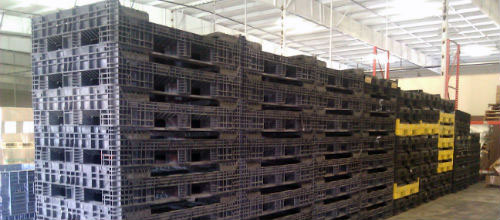
Firms are likewise exploring choices made from recycled products, which not only conserve sources however additionally sustain the recycling industry. Advancements in style allow for lighter containers that require much less power to transportation, additionally improving sustainability. By incorporating these eco-friendly mass container choices, services can demonstrate their dedication to environmental stewardship while satisfying customer need for sustainable practices. This shift not only assists the world but can also boost brand name online reputation and consumer loyalty.
Cost-Effectiveness and Budgeting for Mass Containers
While lots of organizations concentrate on sustainability, cost-effectiveness remains a vital click here aspect when choosing bulk containers. Organizations has to analyze the first purchase rate, along with long-term operational expenses, to assure monetary practicality. Variables such as reusability, upkeep, and resilience play a considerable role in figuring out overall expenditures.
Spending in high-quality containers might produce higher in advance costs but can cause cost savings with decreased substitute prices and decreased waste. In addition, organizations ought to take into consideration transport costs and storage performance, as these can influence the general spending plan.
Regularly Asked Inquiries
Exactly how Do I Figure Out the Right Container for Hazardous Materials?
To establish the ideal container for hazardous materials, one have to evaluate compatibility with the substance, consider the container's material, check for governing compliance, and analyze capability and safety and security features to ensure proper handling and storage.
Can Bulk Containers Be Custom-made for Specific Products?
Yes, bulk containers can be personalized for specific products. used bulk containers. Different attributes, such as design, product, and size, can be customized to satisfy special needs, making certain perfect safety and effectiveness for moving and storing different goods
What Is the Ordinary Life Expectancy of Different Bulk Container Kind?
The typical lifespan of bulk container types differs; plastic containers last 5-10 years, metal containers 10-20 years, and wooden containers generally last 3-7 years, depending upon use, maintenance, and environmental conditions.
Just how Should I Clean and Maintain Mass Containers?
To clean and keep bulk containers, one ought to consistently evaluate for damage, remove deposit, wash with appropriate cleaning agents, wash extensively, and assurance appropriate drying prior to storage space. Following maker guidelines boosts longevity and safety and security during usage.
Exist Rental Choices for Bulk Containers Available?
Yes, various companies offer rental options for bulk containers, providing adaptability for services. These leasings can accommodate numerous demands, permitting business to handle stock efficiently without the commitment of purchasing containers outright.
Longevity and stamina are vital factors in picking materials for bulk containers, as they directly affect the container's capacity to stand up to various ecological conditions and managing processes. Understanding chemical compatibility is important for picking mass containers, as the materials used must withstand the specific substances they will hold. Comprehending weight ability is essential for services aiming to enhance their bulk container efficiency. Regulative compliance and safety requirements play a necessary function in the choice of bulk containers for companies. While many services focus on sustainability, cost-effectiveness stays an essential aspect when picking mass containers.